

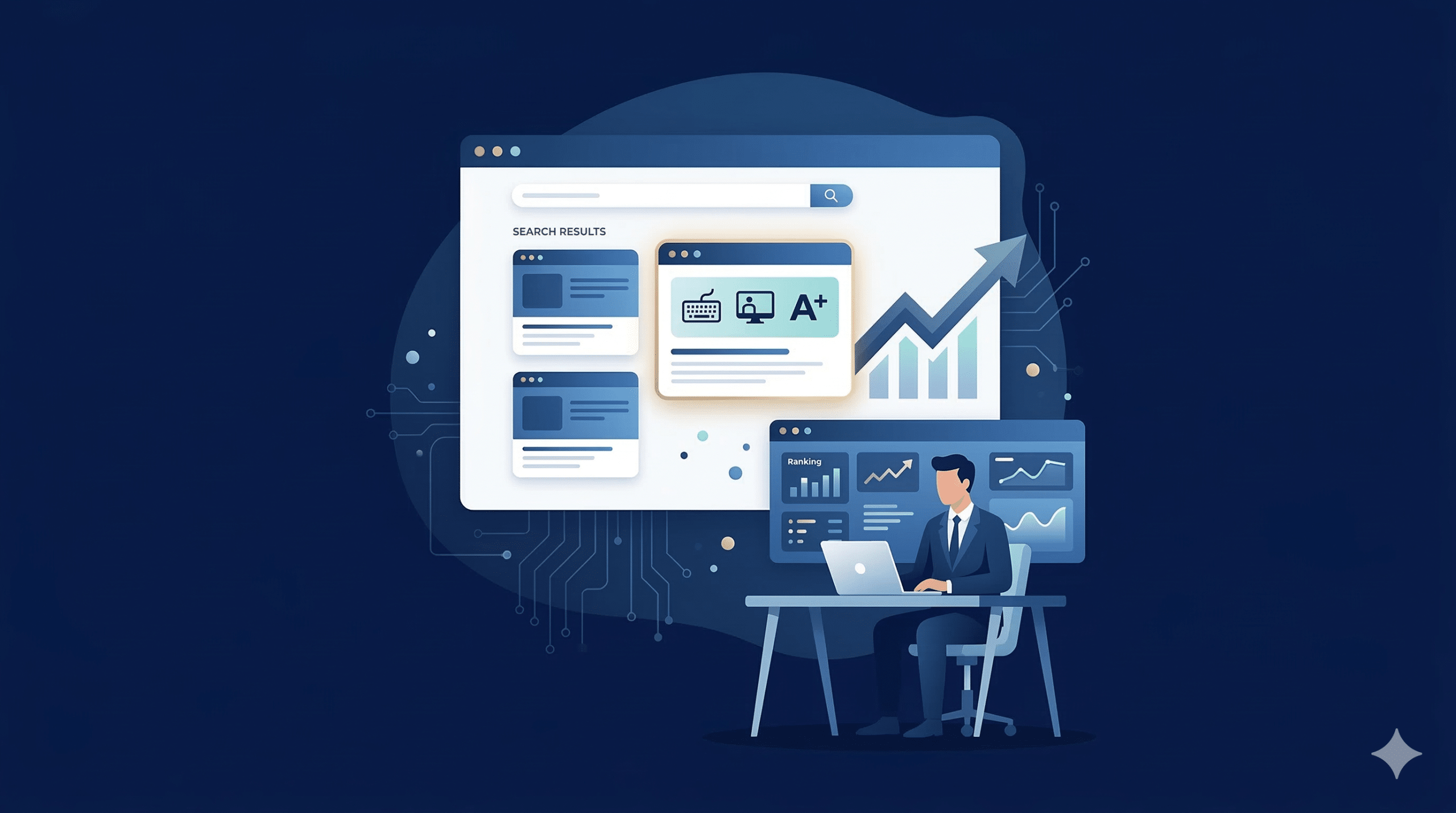
Inclusive design is now critical for SEO rankings. Search engines prioritise websites that are accessible to all users, including those with disabilities. This shift means businesses must focus on accessibility to improve their online presence and reach a broader audience. Ensuring your website is accessible not only enhances user experience but also boosts your Search Engine Optimisation performance.
Key Takeaways
- Inclusive design is essential for SEO.
- Accessibility improves user experience.
- Search engines favour accessible websites.
Understanding Inclusive Design
Inclusive design refers to creating products and services that are accessible to as many people as possible, regardless of their abilities or disabilities. It involves considering various aspects such as visual, auditory, and motor impairments. By focusing on inclusive design, businesses can ensure that their websites are usable by everyone, which is increasingly important as the global population ages and the number of people with disabilities rises.
Incorporating inclusive design principles into your website not only helps those with disabilities but also benefits all users. For example, providing text alternatives for images can improve the experience for users with slow internet connections. Similarly, ensuring that your website is navigable using a keyboard can aid users who prefer not to use a mouse. These enhancements lead to a more user-friendly website, which can result in higher engagement and better SEO rankings.
The SEO Impact of Accessibility
Search engines like Google have started to consider accessibility as a ranking factor. This means that websites that are more accessible are likely to rank higher in search results. This shift is part of a broader trend towards prioritising user experience in search algorithms. By making your website accessible, you are not only complying with legal requirements but also improving your chances of being found by potential customers.
Accessibility can impact various aspects of SEO, including page load times and mobile-friendliness. For instance, ensuring that your website is optimised for screen readers can help reduce page load times, which is a crucial factor for search engine rankings. Additionally, an accessible website is more likely to be mobile-friendly, which is another important ranking factor. By focusing on accessibility, you can improve your SEO performance and reach a wider audience.
Legal and Ethical Considerations
There are legal and ethical reasons for prioritising accessibility in your web design. Many countries have laws that require businesses to make their websites accessible to people with disabilities. Failing to comply with these laws can result in legal action and damage to your brand’s reputation. By prioritising accessibility, you can avoid these risks and demonstrate your commitment to inclusivity.
From an ethical standpoint, making your website accessible is the right thing to do. It ensures that everyone, regardless of their abilities, can access your content and services. This inclusivity can enhance your brand’s image and foster trust among your audience. By prioritising accessibility, you show that you value all users and are committed to providing an inclusive experience.
Practical Steps for Implementing Inclusive Design
Implementing inclusive design involves several practical steps that can enhance your website’s accessibility. Start by conducting an accessibility audit to identify areas that need improvement. This audit should cover various aspects of your website, including navigation, content, and multimedia elements. By identifying and addressing accessibility issues, you can create a more inclusive website.
Once you have identified areas for improvement, prioritise changes that will have the most significant impact on accessibility. This may include adding alt text to images, ensuring that your website is navigable using a keyboard, and providing captions for videos. By focusing on these key areas, you can make your website more accessible to a broader audience and improve your SEO performance.
The Business Benefits of Accessibility
There are several business benefits to prioritising accessibility in your web design. An accessible website can help you reach a larger audience, including people with disabilities who may have difficulty accessing non-accessible websites. This can lead to increased traffic and higher conversion rates, as more people can access and engage with your content.
Additionally, an accessible website can improve your brand’s reputation and foster trust among your audience. By demonstrating your commitment to inclusivity, you can enhance your brand’s image and differentiate yourself from competitors. This can lead to increased customer loyalty and long-term business success.
Future Trends in Inclusive Design
As technology continues to evolve, inclusive design will become even more critical for businesses. Emerging technologies, such as voice assistants and virtual reality, present new opportunities and challenges for accessibility. By staying ahead of these trends and prioritising inclusive design, businesses can ensure that they remain competitive in the digital landscape.
Looking to the future, businesses should focus on creating flexible and adaptable designs that can accommodate a wide range of users. This may involve incorporating new technologies and design principles that prioritise accessibility. By doing so, businesses can ensure that they are well-positioned to meet the needs of their audience and succeed in the digital age.
Frequently Asked Questions
What is inclusive design?
Inclusive design is an approach that aims to make products and services accessible to as many people as possible, regardless of their abilities or disabilities. This involves considering various aspects such as visual, auditory, and motor impairments, and designing solutions that accommodate these needs. By focusing on inclusive design, businesses can ensure that their websites are usable by a broader audience, which can lead to improved user experience and increased engagement.
Implementing inclusive design principles can benefit all users, not just those with disabilities. For example, providing text alternatives for images can improve the experience for users with slow internet connections. Similarly, ensuring that your website is navigable using a keyboard can aid users who prefer not to use a mouse. These enhancements lead to a more user-friendly website, which can result in higher engagement and better SEO rankings.
How does accessibility impact SEO?
Accessibility is increasingly becoming a critical factor in SEO rankings. Search engines like Google have started to consider accessibility as a ranking factor, meaning that websites that are more accessible are likely to rank higher in search results. This shift is part of a broader trend towards prioritising user experience in search algorithms. By making your website accessible, you are not only complying with legal requirements but also improving your chances of being found by potential customers.
Accessibility can impact various aspects of SEO, including page load times and mobile-friendliness. For instance, ensuring that your website is optimised for screen readers can help reduce page load times, which is a crucial factor for search engine rankings. Additionally, an accessible website is more likely to be mobile-friendly, which is another important ranking factor. By focusing on accessibility, you can improve your SEO performance and reach a wider audience.
What are the legal requirements for website accessibility?
Many countries have laws that require businesses to make their websites accessible to people with disabilities. These laws are designed to ensure that everyone, regardless of their abilities, can access online content and services. Failing to comply with these laws can result in legal action and damage to your brand’s reputation. By prioritising accessibility, you can avoid these risks and demonstrate your commitment to inclusivity.
In addition to legal requirements, there are ethical reasons for prioritising accessibility in your web design. Making your website accessible is the right thing to do, as it ensures that everyone can access your content and services. This inclusivity can enhance your brand’s image and foster trust among your audience. By prioritising accessibility, you show that you value all users and are committed to providing an inclusive experience.
What are some common accessibility issues on websites?
Common accessibility issues on websites include a lack of alt text for images, poor colour contrast, and inaccessible navigation. These issues can make it difficult for people with disabilities to access and engage with your content. By addressing these issues, you can create a more inclusive website that is accessible to a broader audience.
Other common accessibility issues include a lack of captions for videos and inaccessible forms. Ensuring that your website is navigable using a keyboard is also important, as some users may not be able to use a mouse. By focusing on these key areas, you can make your website more accessible and improve your SEO performance.
How can I improve the accessibility of my website?
Improving the accessibility of your website involves several practical steps. Start by conducting an accessibility audit to identify areas that need improvement. This audit should cover various aspects of your website, including navigation, content, and multimedia elements. By identifying and addressing accessibility issues, you can create a more inclusive website.
Once you have identified areas for improvement, prioritise changes that will have the most significant impact on accessibility. This may include adding alt text to images, ensuring that your website is navigable using a keyboard, and providing captions for videos. By focusing on these key areas, you can make your website more accessible to a broader audience and improve your SEO performance.
What are the benefits of an accessible website?
An accessible website can help you reach a larger audience, including people with disabilities who may have difficulty accessing non-accessible websites. This can lead to increased traffic and higher conversion rates, as more people can access and engage with your content. Additionally, an accessible website can improve your brand’s reputation and foster trust among your audience.
By demonstrating your commitment to inclusivity, you can enhance your brand’s image and differentiate yourself from competitors. This can lead to increased customer loyalty and long-term business success. Furthermore, an accessible website is more likely to be mobile-friendly and have faster page load times, which can improve your SEO performance and help you reach a wider audience.