
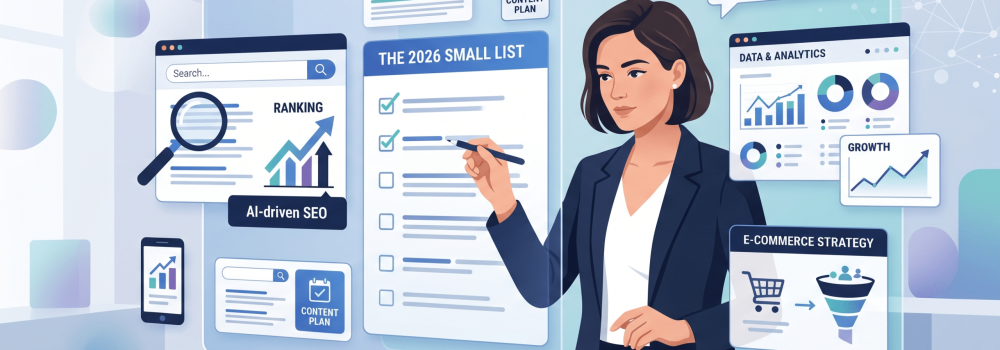
In 2026, small businesses must focus on digital marketing strategies that align with new technological trends and evolving consumer expectations. As digital landscapes continue to shift, it’s crucial for businesses to stay ahead by integrating comprehensive approaches such as search engine marketing and targeted social media campaigns. This checklist covers essential areas including mobile optimisation, which ensures seamless user experience on smartphones and tablets, and core web vitals, which are critical for maintaining high search engine rankings. Additionally, the growing importance of social media search cannot be overlooked, as platforms like Instagram and TikTok become primary discovery tools for consumers. Ensuring privacy compliance is also vital, as consumers are increasingly aware of data protection issues. By addressing these factors, small businesses can effectively reach and engage their target audience, fostering trust and loyalty, which are key to ensuring growth in a competitive market. With these strategies in place, businesses can not only thrive but also adapt to the ever-changing digital environment.
- Ensure your website is mobile-friendly
- Improve core web vitals for better user experience
- Utilise social media search to increase visibility
- Prioritise privacy compliance to build trust
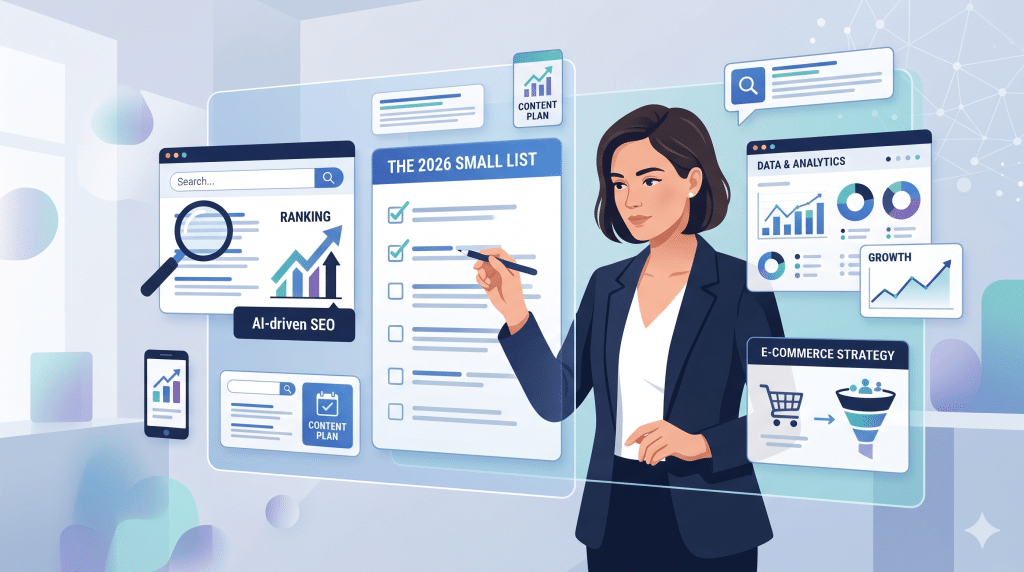
Mobile Optimisation
Mobile optimisation refers to the process of ensuring that your website functions well on mobile devices. In 2026, more people are accessing the internet via smartphones than ever before. This means that small businesses need to ensure their websites are responsive. A responsive website automatically adjusts to fit the screen size of any device, providing a seamless user experience. Google also prioritises mobile-friendly sites in search rankings, so optimising for mobile can improve your visibility.
To achieve mobile optimisation, start by using responsive design techniques. These techniques involve flexible layouts and images that adapt to different screen sizes. Additionally, test your site on various devices to ensure it loads quickly and displays correctly. Tools like Google’s Mobile-Friendly Test can help you identify areas for improvement. Remember, a mobile-friendly website is not just about appearance but also about functionality, so make sure buttons and links are easy to click.
Core Web Vitals
Core web vitals are a set of metrics that Google uses to evaluate the user experience of a website. These metrics include loading performance, interactivity, and visual stability. In 2026, focusing on core web vitals is crucial as they directly impact your search engine rankings. A website that loads quickly and responds efficiently will keep visitors engaged, reducing bounce rates and increasing conversions.
To improve your core web vitals, start by analysing your current site performance using tools like Google PageSpeed Insights. This tool provides a detailed report on areas that need attention, such as image optimisation or server response time. Consider implementing lazy loading for images and videos, which delays loading until they are needed. Also, ensure your website’s code is clean and efficient to boost loading speeds. Regularly monitor your site’s performance to maintain optimal core web vitals.
Social Media Search
Social media search is becoming an increasingly important tool for small businesses in 2026. Platforms like Facebook and Instagram have developed robust search functionalities that users rely on to discover new brands and products. By optimising your social media profiles and content for search, you can increase your visibility and attract more followers.
Start by ensuring your profile information is complete and includes relevant keywords. Use hashtags strategically in your posts to improve discoverability. Engaging content that encourages interaction can also boost your visibility in social media search results. Additionally, consider using social media analytics tools to track which keywords and hashtags perform best, allowing you to refine your strategy over time.
Privacy Compliance
Privacy compliance is a critical aspect of digital marketing in 2026. With increasing concerns about data privacy, small businesses must ensure they comply with regulations such as the General Data Protection Regulation (GDPR) and the Protection of Personal Information Act (POPIA). These regulations require businesses to handle personal data responsibly and transparently.
To achieve privacy compliance, start by conducting a thorough audit of your data collection and storage practices. Ensure you have clear policies in place for obtaining user consent and provide options for users to manage their data preferences. Regularly update your privacy policy to reflect any changes in regulations or business practices. Training your staff on data protection principles is also essential to maintaining compliance and building trust with your customers.
Content Marketing Strategy
A well-defined content marketing strategy is essential for small businesses in 2026. Content marketing involves creating and sharing valuable, relevant content to attract and engage your target audience. This can include blog posts, videos, infographics, and more. By providing content that addresses the needs and interests of your audience, you can establish your brand as an authority in your industry.
Begin by identifying your target audience and understanding their preferences and challenges. Create a content calendar to plan and organise your content distribution. Use analytics tools to track the performance of your content and adjust your strategy based on the data. Consistency is key, so ensure you regularly publish high-quality content that resonates with your audience. Collaborate with influencers and industry experts to expand your reach and credibility.
Frequently Asked Questions
What is mobile optimisation and why is it important?
Mobile optimisation ensures that your website performs well on mobile devices, providing a seamless user experience. With the increasing number of users accessing the internet via smartphones, having a mobile-friendly site is crucial for reaching your audience effectively.
Additionally, search engines like Google prioritise mobile-friendly websites in their rankings. This means that optimising your site for mobile can improve your visibility in search results, leading to more traffic and potential customers.
How can I improve my website’s core web vitals?
Improving core web vitals involves focusing on metrics like loading performance, interactivity, and visual stability. Start by using tools like Google PageSpeed Insights to analyse your site’s performance and identify areas for improvement.
Implement strategies such as lazy loading for images, optimising server response times, and cleaning up your website’s code. Regular monitoring and adjustments are essential to maintaining optimal core web vitals and enhancing user experience.
Why is social media search important for small businesses?
Social media search is crucial because it allows users to discover brands and products through platforms they frequently use. By optimising your social media profiles and content for search, you can increase your visibility and attract more followers.
Using relevant keywords, hashtags, and engaging content can boost your presence in social media search results. This strategy helps in reaching a wider audience and building a strong online community around your brand.
What are the key aspects of privacy compliance?
Privacy compliance involves adhering to regulations like GDPR and POPIA, which govern how businesses handle personal data. Key aspects include obtaining user consent, providing clear privacy policies, and offering options for users to manage their data preferences.
Conducting regular audits of your data practices and training staff on data protection principles are also important. Ensuring compliance not only builds trust with your customers but also protects your business from legal issues.
How do I develop a successful content marketing strategy?
To develop a successful content marketing strategy, start by understanding your target audience’s preferences and challenges. Create a content calendar to plan and organise your content distribution effectively.
Use analytics tools to track the performance of your content and adjust your strategy based on insights. Consistency in publishing high-quality content is crucial, and collaborating with influencers can further expand your reach and credibility.