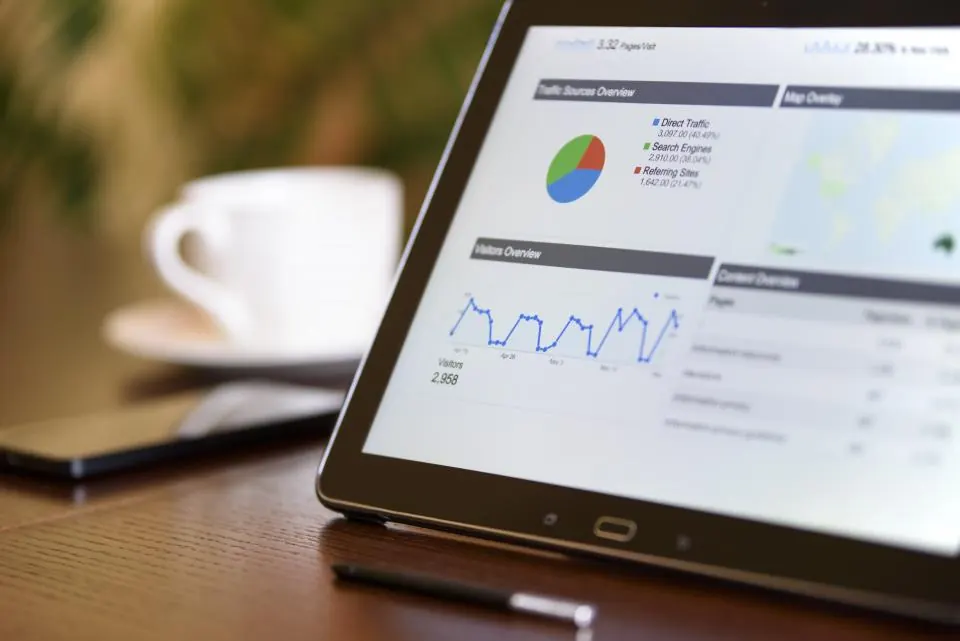
To turn AI Overview impressions into revenue, structure your content so search engines and AI systems cite it directly, then convert the high-intent visitors who do click into owned audiences and measurable actions. Focus on schema markup, authoritative short-form answers, and brand signals that persist even when no click occurs. This approach shifts the goal from maximising traffic volume to maximising the value of every impression and every remaining visit.
Why Zero-Click Search Has Changed the Revenue Equation
As of 2026, the majority of Google searches resolve without a single click to an external site. AI Overviews, featured snippets, and knowledge panels answer questions directly on the results page, which means the old model of equating traffic with revenue is no longer reliable. For digital marketers and SEO professionals, this is not a crisis to survive but a structural shift to plan around. The businesses that adapt fastest are those that treat AI Overview impressions as a top-of-funnel touchpoint in their own right, not as lost traffic. Web SEM has observed this pattern consistently across client accounts: impression share rises while session counts flatten, and the brands that have built recognition through those impressions see stronger direct and branded search over time.
How AI Overviews Select and Cite Content
Google's AI systems pull content from pages that demonstrate clear expertise, factual accuracy, and well-organised structure. Understanding the selection criteria is the first step in any SEO strategy for AI. The signals that matter most include:
- Structured dataFAQ, HowTo, and Article schema tell the AI exactly what each content block represents.
- Concise, direct answersParagraphs that open with a clear answer to a specific question are far more extractable than those that bury the point.
- E-E-A-T signalsAuthor credentials, cited sources, and consistent brand mentions across the web all contribute to trustworthiness scores.
- Page speed and Core Web VitalsA slow or unstable page is less likely to be indexed deeply enough to appear in an Overview.
- Topical authoritySites that cover a subject area thoroughly, rather than superficially, earn more citations across related queries.
Optimising for these signals is the foundation of effective AI SEO optimisation in 2026.
Practical Steps to Optimise Content for AI Overview Impressions
Adapting existing content for AI-driven search does not require a full site rebuild. A focused audit and targeted rewrites can produce measurable results within a single quarter. Follow these steps in order:
- Audit your highest-impression pagesin Google Search Console, filtering for queries where an AI Overview already appears. These pages are your highest-priority targets.
- Rewrite opening paragraphsso the first two sentences answer the query directly. Avoid warm-up phrases and background context before the core answer.
- Add FAQ schemato any page that addresses multiple related questions. Each FAQ entry should be under 50 words and written in plain English.
- Break up long prose sectionsinto numbered steps or bullet lists wherever a process or set of options is being described. AI systems extract lists more reliably than dense paragraphs.
- Build internal topical clustersby linking related articles together. A tightly linked cluster signals depth of expertise to both Google and AI crawlers.
- Update publication dates and statisticsto reflect 2026 data. Freshness is a ranking signal, and outdated figures reduce citation probability.
This process directly addresses how to improve brand visibility in AI-driven search: structured, current, and authoritative content is the mechanism.
Converting Impressions into Owned Audiences and Revenue
AI search monetisation is not about tricking the algorithm; it is about designing the post-click experience to capture value efficiently. The visitors who do click through from an AI Overview are, on average, further along in their decision-making than a typical organic visitor, because the AI has already answered their initial question. That higher intent is an asset. To convert it:
- Place a single, specific call to action above the fold on landing pages, matched to the query intent that drove the visit.
- Offer a content upgrade (a checklist, template, or short guide) in exchange for an email address, building an owned list that no algorithm change can remove.
- Use retargeting pixels to re-engage visitors who did not convert on the first visit, since AI Overview traffic tends to be more brand-aware and therefore more responsive to retargeting.
- Track branded search volume month-on-month as a proxy metric for AI impression value; a rising branded search trend confirms that zero-click exposure is building recognition.
The goal is to treat each AI Overview citation as the start of a relationship, not the end of a funnel.
Brand Visibility Techniques for AI-Driven Search
Improving brand visibility in AI search goes beyond on-page optimisation. Several off-page and technical techniques increase the likelihood that AI systems recognise and cite a brand consistently. Techniques that have proven effective include:
- Digital PR and earned mentionsWhen authoritative publications reference a brand by name alongside a topic, AI systems associate that brand with expertise in the topic area.
- Consistent entity definitionUse the same business name, address, and description across Google Business Profile, schema markup, and social profiles. Inconsistency confuses entity resolution in AI models.
- Video content with transcriptsVideo results rank alongside AI Overviews for many queries. A short walkthrough video with a full text transcript gives the AI two formats to extract from, increasing citation chances.
- Structured author profilesAssigning named authors with verifiable credentials to articles strengthens E-E-A-T signals and makes content more citable.
These techniques compound over time. A brand that is consistently cited across multiple formats and platforms becomes a default source for AI systems handling related queries.
Measuring Zero-Click SEO Performance
Traditional traffic metrics undercount the value of a zero-click SEO strategy. A page that earns 10,000 AI Overview impressions and 500 clicks may deliver more brand value than a page that earns 500 clicks from standard organic results, because the impression audience has been exposed to the brand name and answer even without visiting the site. Useful metrics for 2026 include:
- Impression share by query typein Google Search Console, segmented by queries where AI Overviews appear.
- Branded search volume trendstracked monthly via Search Console or a rank-tracking tool.
- Email list growth ratefrom high-intent landing pages, as a direct measure of owned-audience conversion.
- Assisted conversionsin analytics, which capture the role of organic visits in multi-touch conversion paths.
Shifting reporting to include these metrics helps stakeholders understand why session counts may be flat while commercial outcomes improve.
What to Do Next
Frequently asked questions
Zero-click marketing is the practice of building brand awareness and driving commercial outcomes through search impressions alone, without requiring a user to visit your website. It treats AI Overviews, featured snippets, and knowledge panels as advertising surfaces rather than lost traffic opportunities.
Traditional SEO measured success almost entirely in clicks and sessions. Zero-click marketing adds impression share, branded search growth, and owned-audience conversion as primary metrics. A business cited consistently in AI Overviews builds recognition with users who may never click but later search directly for the brand, book a call, or convert through a retargeted ad. The two approaches are complementary: traditional SEO still drives the clicks that zero-click marketing then converts more efficiently.
Businesses improve AI search visibility by publishing structured, factual content that AI systems can extract and cite with confidence. The most effective techniques are adding FAQ and Article schema markup, opening every key paragraph with a direct answer, building topical authority through interlinked content clusters, and earning mentions from credible third-party sources through digital PR.
Consistency across entity signals also matters significantly. Using the same business name, description, and category across Google Business Profile, schema markup, and major directories helps AI models resolve and trust the brand as a reliable source. Freshness is equally important: updating statistics and publication dates to reflect 2026 data signals to both Google and AI crawlers that the content is current and authoritative. Video content with full transcripts adds a second extractable format, further increasing citation probability.
Google monetises AI search primarily by embedding sponsored results and product listings within or adjacent to AI Overviews, while maintaining the AI-generated answer as the organic centrepiece. This means paid and organic results now compete for attention within a single, consolidated answer unit rather than across a traditional ten-blue-links page.
For organic visibility, this creates both a risk and an opportunity. Pages that are not cited in the AI Overview may receive far fewer clicks than before, since users get their answer without scrolling. However, pages that are cited gain a form of implied endorsement that can lift branded search and direct traffic. The practical implication for SEO professionals is that optimising for citation inside the Overview is now as important as optimising for a top-three ranking position, and in some query categories it is more important.
AI-generated content can support SEO when it is edited for accuracy, enriched with first-hand expertise, and structured clearly, but it reduces citation chances when published without human review. Google's quality guidelines assess experience, expertise, authoritativeness, and trustworthiness, and generic AI output typically scores poorly on the experience dimension.
The most effective approach in 2026 is to use AI tools for drafting and structural suggestions, then have a subject-matter expert add specific examples, verified statistics, and a named author attribution before publication. Content that demonstrates genuine practitioner knowledge, even if AI-assisted in its drafting, is far more likely to be extracted by Google's AI Overview system than content that reads as templated or unverified. Schema markup and internal linking further signal to crawlers that the content belongs within a trusted topical cluster.
Service businesses, professional practices, and B2B companies with longer sales cycles benefit most from zero-click SEO, because their buyers research extensively before making contact. For these businesses, repeated AI Overview citations build the brand familiarity that shortens the decision-making process, even when no click occurs during the research phase.
E-commerce businesses with transactional queries benefit less directly, since product searches still drive clicks to shopping results. However, informational content that sits above the purchase decision, such as buying guides, comparison articles, and how-to content, is highly citeable and can drive branded searches that convert later. In both cases, the owned-audience infrastructure matters: capturing email addresses from the high-intent visitors who do click ensures that AI impression value is converted into a measurable commercial asset rather than a vanity metric.